
The complete guide
Choosing a Steel Tongue Drum, A Practical Buyer's Guide
The problem with starting an instrument
Most instruments punish you for the first few months. A recorder squeaks. A guitar hurts your fingertips and sounds like a bag of spanners until the chords settle. A piano demands that you learn to read two staves before anything resembling music appears. For an adult who just wants twenty quiet minutes, or a child who wants to make a nice sound right now, that is a long wait for very little reward.
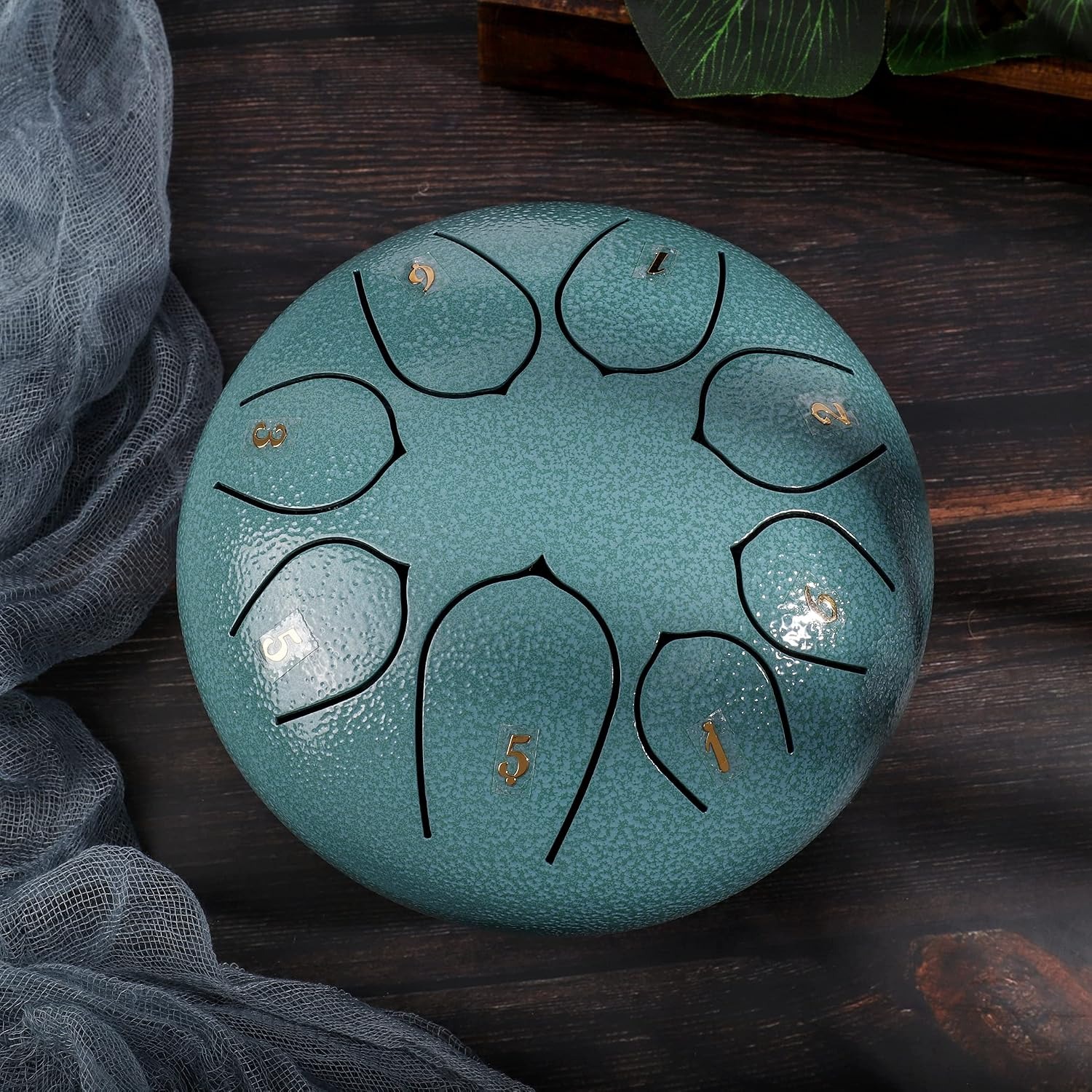
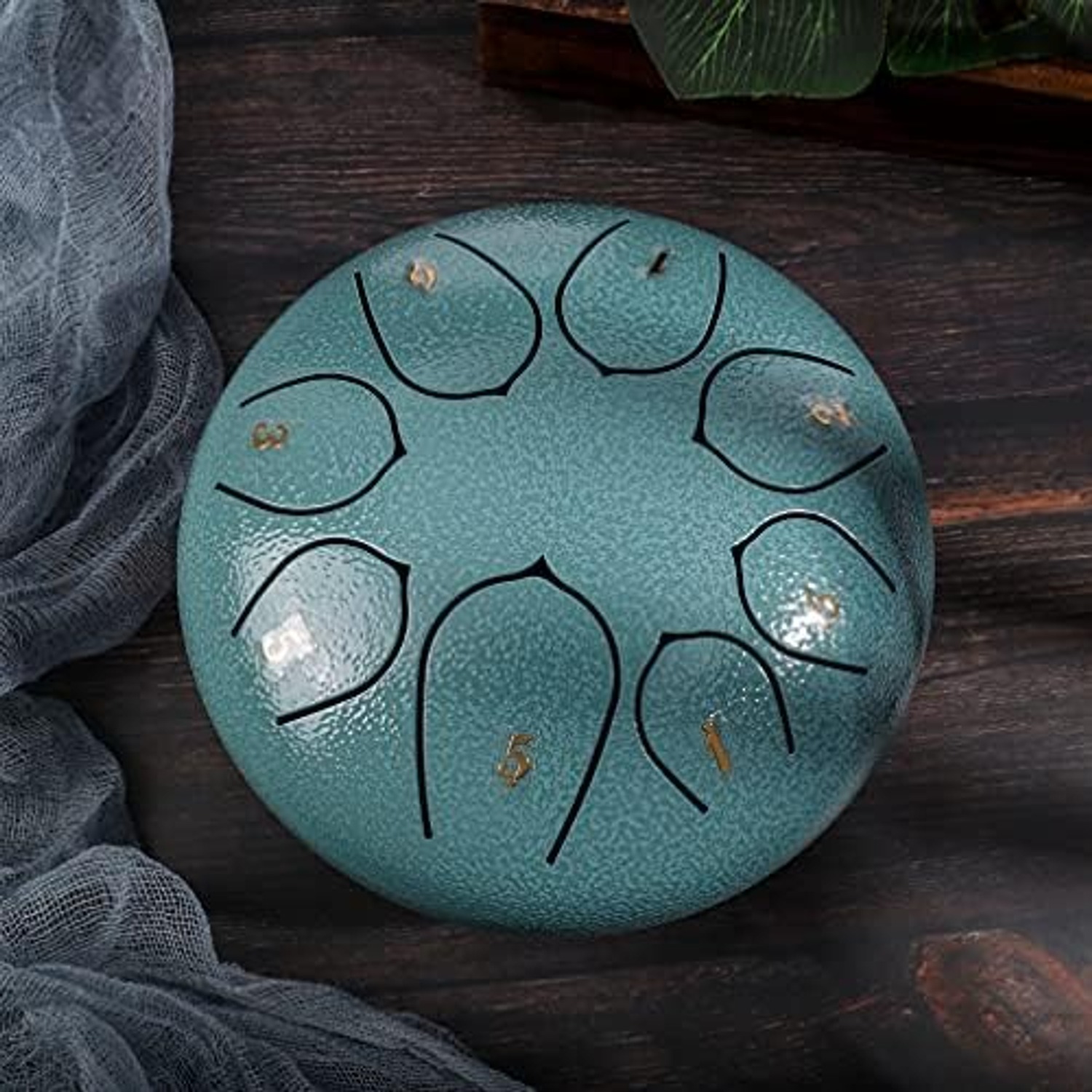
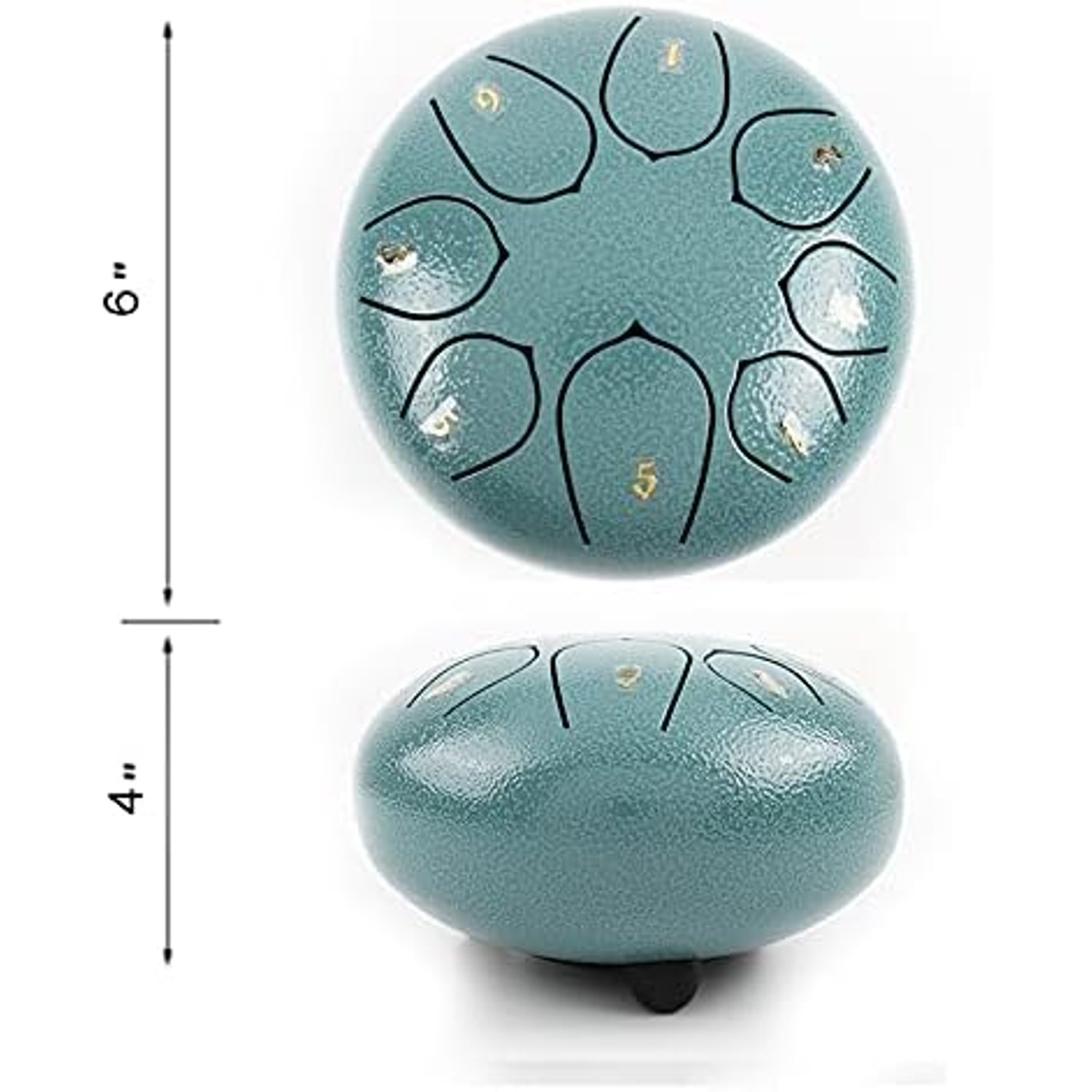
A steel tongue drum removes that wait. You tap it, and it sings. There is no embouchure, no posture, no finger positions, no tuning. The notes are built into the metal, and on this 6 inch model there are eight of them, all drawn from a C major pentatonic scale. Pentatonic scales leave out the two notes that cause most of the clashes in Western music. What is left is a set of pitches that sit together politely no matter what order you play them in. Hit two at random and you get a chord. Hit five in a row and you get something that sounds deliberate.
That is the whole appeal. Confidence first, skill later.
How a tongue drum actually works
Picture a shallow steel shell. The top is cut with a series of slots that leave eight separate tongues, each a different length. A longer tongue vibrates more slowly and gives a lower note. A shorter one vibrates faster and gives a higher note. When you strike a tongue, it flexes and rings, and the sealed body underneath acts as a resonating chamber that gives the note its depth and sustain.
The cutting on this drum is done with lasers, which is what makes the tuning consistent. Nothing about the pitch depends on tension or adjustment, so there is nothing to retune, ever. The pitch lives in the geometry of the steel.
Striking technique changes the character quite a lot. The two steel mallets that come with the set produce a bright, bell-like attack with a long tail. Your fingers and thumbs produce something warmer and shorter, closer to a thumb piano. Most players use both. Mallets for melody when you want each note to carry, fingers for quiet background playing when you are mainly after texture.
Who this size suits
Six inches is the small end of the tongue drum range, and that is a deliberate trade-off. You lose some low-end depth compared with a 10 or 12 inch drum. You gain portability, a lower price and a size that children can actually hold.
Children are the obvious fit. Tapping metal is immediately satisfying, and because no note is wrong, there is none of the discouragement that comes with instruments where mistakes are audible. A good hand drum for kids needs to survive enthusiasm, and solid steel manages that better than most.
Adults use it differently. A lot of buyers are after a few minutes of something that is not a screen. The long decay of a struck tongue is naturally slow-paced, and playing it tends to slow your breathing without you planning to. That is why it shows up in yoga studios, therapy rooms and quiet classrooms. It is often picked as a mindfulness instrument for exactly that reason, and it works as a relaxation instrument even if you never learn a single tune.
Teachers and group leaders like it because one drum can be passed around a circle. Each person gets a turn, each turn sounds fine, and nobody is put on the spot. For a small group, one is enough. For a full class, two or three keep things moving.
What to look at before you buy
Note count and scale. Eight notes in C major pentatonic is the standard beginner configuration. More notes mean more melodies but a steeper learning curve and a bigger drum. Eight is plenty for simple folk songs, nursery tunes and open improvising.
Material and finish. This one is alloy steel with a polished finish. Steel gives a clear ring and takes knocks well. The polish looks good but shows fingerprints, which is a wiping job rather than a problem.
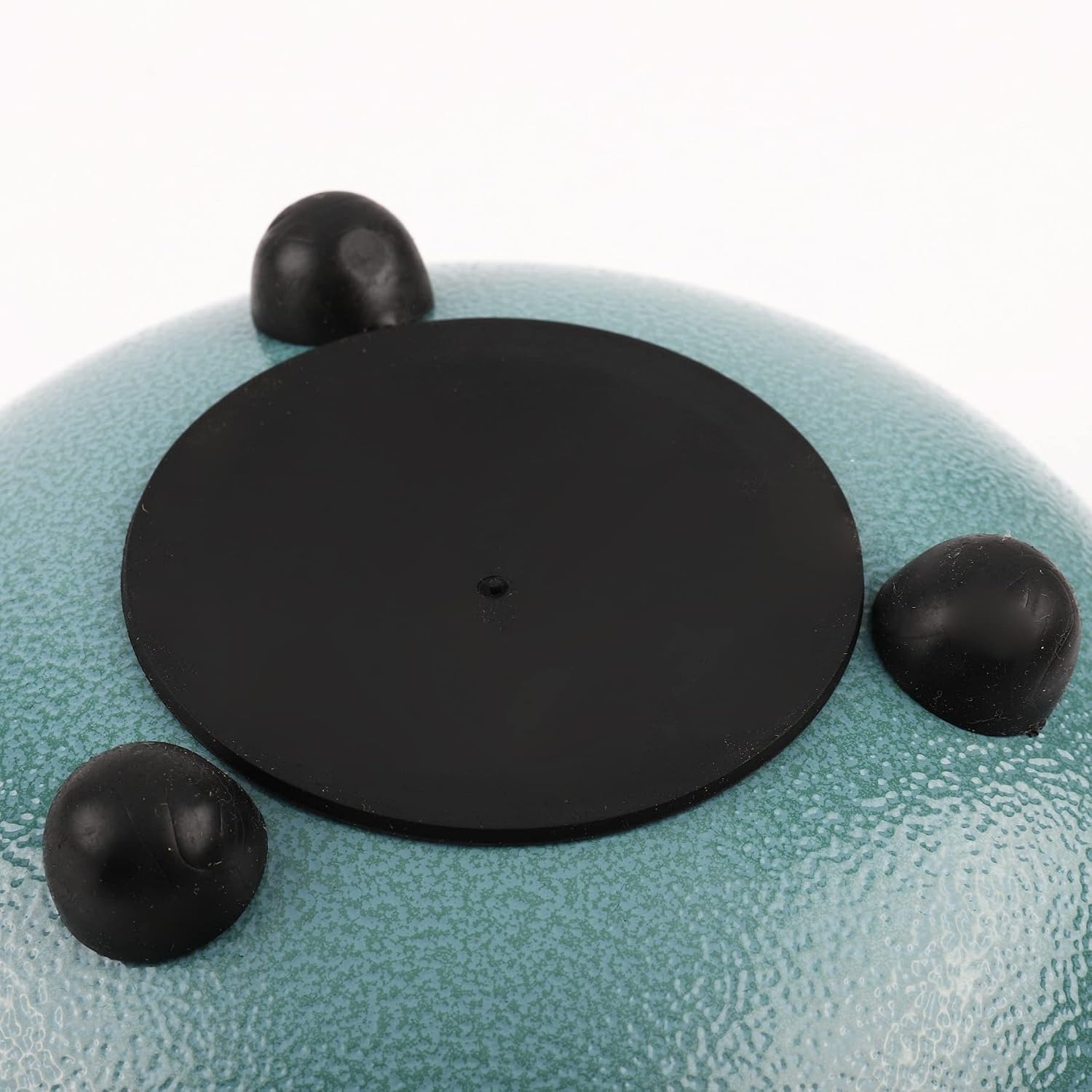
Size and weight. At 8 x 9 x 8 cm and 500 grams, this sits in a lap, a bag or a glovebox. If you want something that fills a room with low tones, you want a bigger drum. If you want something you will actually carry to the park, the yoga mat or a friend's house, small wins.
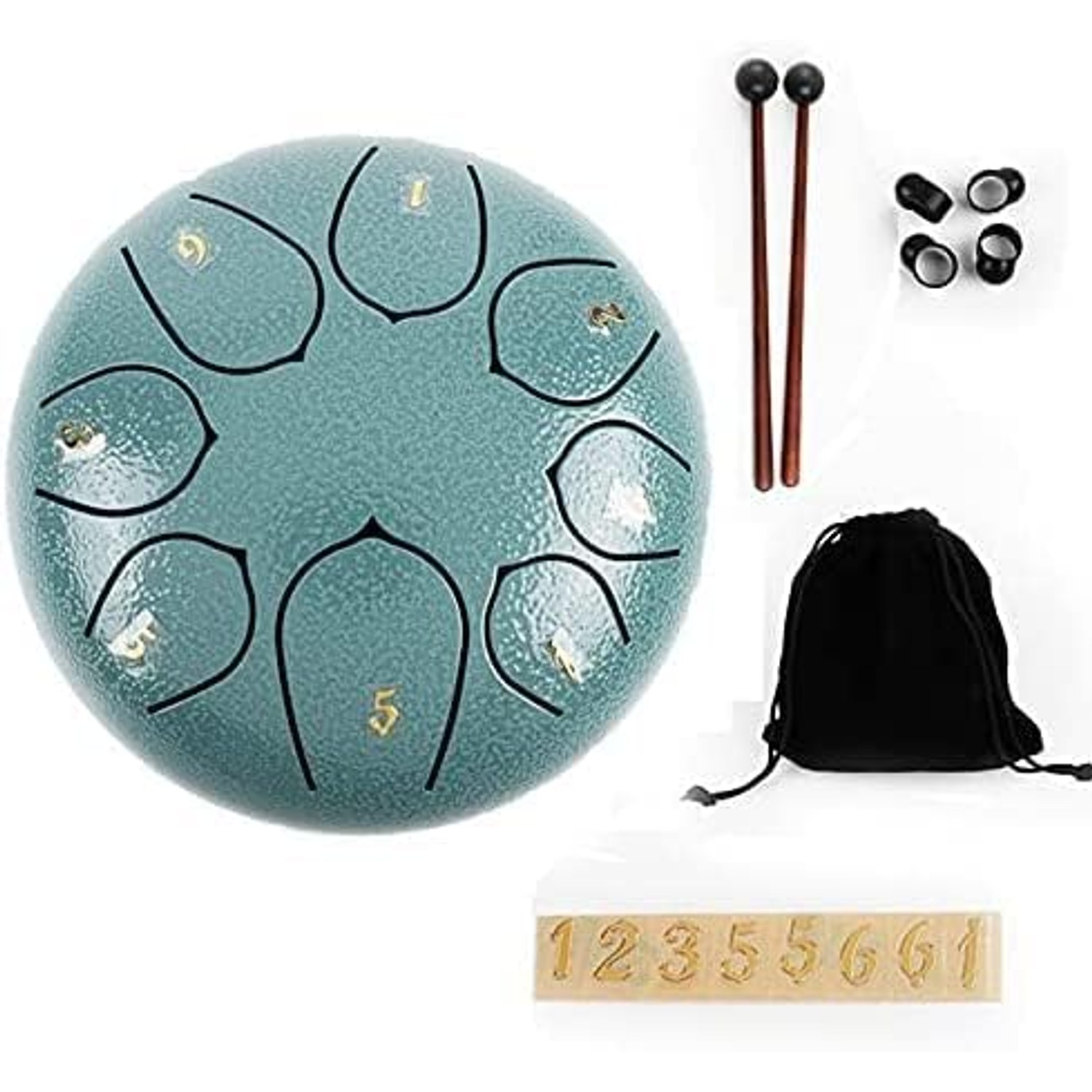
What comes with it. Check the set, not just the drum. This one includes two steel mallets, a drum bag and a tone sticker. Buying mallets and a case separately usually costs more than the gap between a bare drum and a complete set.
Playing aids. The tone sticker is a small thing that matters. Labelled tongues mean you can follow a numbered score on your first evening. Without labels, most people spend a week just learning where the notes live.
Getting started in the first week
Put the sticker on before anything else. Then find a simple numbered score online, something everybody knows, and play it slowly. Slowly is the key word. The notes have a long decay, and rushing turns a melody into mush. Leave space between strikes and the drum does half the work for you.
After a day or two, try playing with no score at all. Pick two tongues next to each other and alternate. Add a third. Change the rhythm but keep the same notes. Because of the pentatonic tuning, this produces something listenable almost immediately, and it is how most regular players spend their time.
Switch between mallets and fingers to hear the difference. Try resting the drum on a cushion rather than a hard table, which softens the resonance. Try holding it slightly off the surface, which lets it ring longer. These small changes alter the sound more than you would expect.
Looking after it
Steel is forgiving, but a polished surface is not. Wipe the drum with a soft dry cloth after you play, because skin oils will mark the finish over time. Keep it out of damp rooms, away from radiators and out of direct sun. Store it in the supplied bag between sessions, which is the single easiest thing you can do to keep it looking new.
Only strike it with the supplied mallets or your fingers. Pens, keys and spoons will dent or scratch the tongues, and a dented tongue is a changed note. Do not drop it on tile or concrete. The instrument carries a one year product warranty.
A note on expectations
This is a small drum at a modest price. It will not sound like a hand hammered handpan costing twenty times as much, and it does not try to. What it gives you is a genuine tuned steel instrument that anyone in the house can pick up and play well enough to enjoy. That is a very different thing from a toy, and it is also a different thing from a serious performance instrument.
If you want to perform, you will eventually want a larger drum with more notes. If you want something calming, something for children, something to take to a class, or something to keep on a shelf and reach for when the day has been long, this size is well judged.
The short version
Eight notes, C major pentatonic, laser cut into a polished alloy steel body six inches across. Two mallets, a bag and a tone sticker in the box. Five hundred grams, 8 x 9 x 8 cm, one year warranty, made in China.
No tuning, no lessons, no wrong notes. Tap it and it sounds good, which is the whole point.